Source Plus Size Women Used Clothes for Resale, Charity, and Export
Explore 30 listings for plus size women used clothes sourced from China. Compare mixed styles, seasonal options, and packaging details to find suitable inventory for retail or wholesale distribution.
Key considerations
Products List


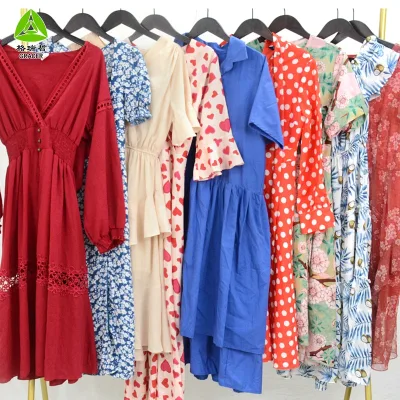
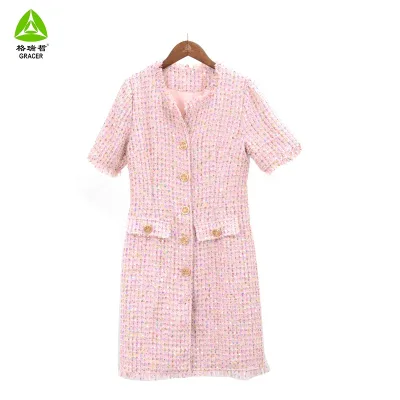
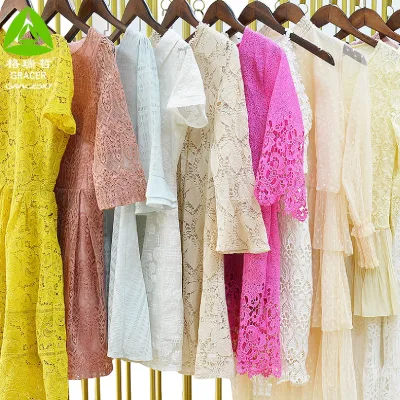
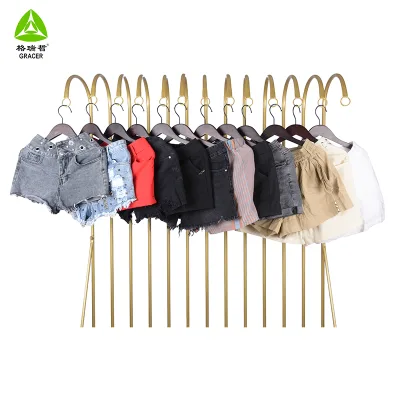
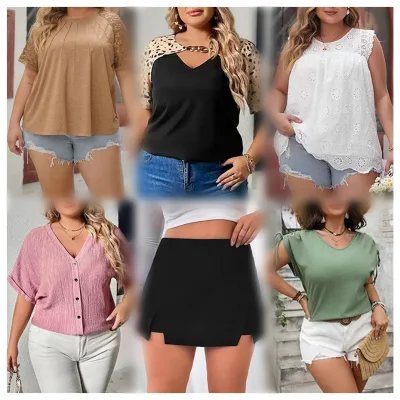
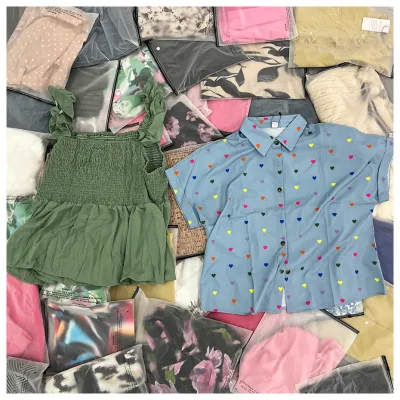
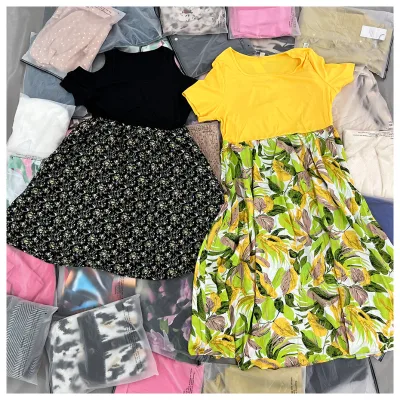
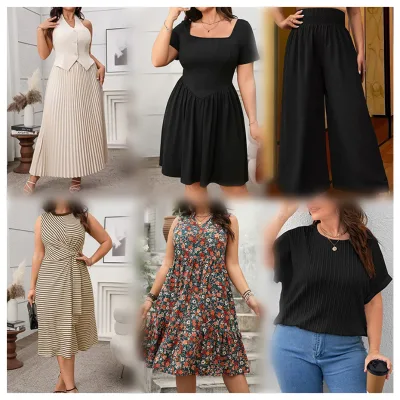


Comprehensive Sourcing Guide
Plus Size Women Used Clothes Sourcing Guide
Sourcing plus size women’s used clothes requires a nuanced understanding of the global second-hand apparel trade, particularly when dealing with bulk bales from major distribution hubs. The market for pre-owned garments is characterized by high variability in condition, style, and demographic targeting, making it essential for buyers to distinguish between general mixed bales and those specifically curated for larger body types. While many suppliers offer "mixed" assortments that include plus sizes, explicit segregation is rare in standard wholesale listings. Buyers must therefore approach procurement with a clear strategy for sorting and grading, recognizing that the term "plus size" in this context often refers to a subset of adult women’s clothing within a broader inventory that includes men’s, children’s, and general adult wear.
The procurement landscape for these goods is heavily influenced by origin points in first-tier Chinese cities, where collection and initial sorting occur before export. This geographic concentration allows for high-volume throughput but introduces complexities regarding quality consistency and logistical coordination. Buyers are often presented with options ranging from basic clean bales to higher-grade vintage or brand-name items, each carrying different risk profiles and price points. Understanding the distinction between "clean" used clothes and "grade A" quality is critical, as these terms define the baseline expectation for hygiene, wear, and resale potential. Without rigorous verification, buyers risk receiving inventory that does not meet the specific needs of their target market, particularly when catering to the plus size demographic which demands specific fit and fabric integrity.
Product Scope and Observed Listing Signals
The product scope for plus size women’s used clothes is typically embedded within broader categories such as "used clothes bales," "second-hand clothing," or "vintage clothes bales." Listings often highlight attributes like "Europe and America," "Korean," or "England" styles, indicating the origin of the garments rather than their size distribution. Buyers should observe that while some products specify "Female" or "Women" as the target gender, the inclusion of plus sizes is rarely guaranteed unless explicitly stated in the customization or sorting options. The observed market signals suggest a wide range of seasonal availability, with products labeled for "All Seasons," "Spring/Autumn," or specific summer and winter wear, which impacts the relevance of plus size inventory depending on the buyer’s local climate and demand cycles.
Condition and packaging are primary signals of product quality and handling. Standard listings describe products as "Clean / 90%" or "Top Clean," with bales weighing between 45kg and 100kg per unit. This weight range is significant for logistics planning, as heavier bales may contain a higher density of garments, potentially increasing the likelihood of finding larger sizes, though this is not a statistical certainty. The packaging often involves transparent bags or compressed bales, which allows for visual inspection of the outer layer but hides the internal composition. Buyers must recognize that "Mixed Color" and "Bright Colored" attributes describe the aesthetic variety rather than the size distribution, requiring additional due diligence to ensure the inventory aligns with plus size requirements.
Technical Specifications to Verify
Technical verification begins with understanding the physical dimensions and packing standards of the bales. Standard specifications often cite dimensions such as 38CM30CM70CM for individual items or compressed units, though bale dimensions can vary based on the supplier’s compression equipment. Buyers should verify the exact weight per bale, as options range from 40kg to 100kg, and confirm whether the weight includes the packaging material. The raw materials listed, including cotton, linen, nylon, polyester, and spandex, are common in plus size garments due to the need for stretch and durability; however, buyers must verify the fiber content ratios to ensure the garments meet comfort and quality expectations for larger body types.
Model numbers and product types provide further insight into the nature of the inventory. Listings may reference "Riching used clothes bales" or "Second Hand Vintage Clothes Bales," suggesting different tiers of quality and curation. Buyers should clarify whether the "Vintage" label implies older styles that may not align with current plus size fashion trends or if it denotes higher-quality, durable garments. Additionally, the distinction between "Used Summer&Winter Clothes" and general "Used Clothing" is crucial, as seasonal specificity affects the utility of the inventory. Verifying the exact model or batch number allows buyers to request sample packs that reflect the specific composition of the larger order, ensuring that the technical specifications match the commercial promise.
Compliance and Safety Documentation
Compliance in the used clothing trade is complex, as the goods are often classified as second-hand items rather than new manufactured products. While certifications like OEKO-TEX, GOTS, or BSCI are sometimes mentioned in background contexts, they typically apply to new textile manufacturing rather than pre-owned goods. Buyers must verify the hygiene standards applied to the bales, such as the "Top Clean" or "Grade A" designations, which indicate that the clothes have been washed and sorted but do not necessarily imply certification against chemical residues or allergens. It is essential to confirm that the supplier adheres to import regulations in the destination country, which may require specific labeling or health declarations for used textiles.
Safety documentation should focus on the cleanliness and condition of the garments rather than traditional manufacturing certifications. Buyers should request evidence of the cleaning process, including whether the clothes are sterilized or treated for pests, as this is a critical safety concern for used apparel. The "Clean / 90%" condition rating suggests a high level of hygiene, but buyers must define what this percentage represents in terms of visible wear, stains, or repairs. For plus size garments, which may experience more stress on seams and fabrics, verifying the absence of hidden defects is part of the safety and quality assurance process. Buyers should also ensure that the supplier provides a clear return or dispute resolution policy in case the delivered goods do not meet the agreed-upon cleanliness standards.
Cost Drivers and Commercial Terms
Cost drivers for plus size women’s used clothes include the quality grade, seasonal relevance, and the volume of the order. The observed price range of $0.49 to $2000 USD reflects the disparity between individual items and bulk container loads, with the latter offering significant economies of scale. Minimum Order Quantities (MOQ) typically start at one 20-foot container, which can hold approximately 13,000 units or more depending on bale weight, making this a high-volume procurement channel. Buyers should consider that "Competitive Used Summer Wear" may be priced differently from winter items, and that "Grade A" quality commands a premium over standard mixed bales.
Commercial terms often involve a deposit structure, such as 40% deposit and 60% before loading, which is standard in international trade for bulk goods. Payment methods like TT (Telegraphic Transfer) are common, and buyers should factor in the time value of money and currency exchange risks. The shipment terms, including a 21-day rent-free period for Pil/Msk (likely referring to specific ports or logistics routes), impact the total landed cost. Buyers must also account for customs duties, import taxes, and local handling fees, which can significantly affect the profitability of reselling plus size used clothes. Understanding these financial structures is vital for accurate margin calculation and cash flow management.
Supplier Qualification and Quality Control
Supplier qualification requires verifying the operational capacity and sourcing integrity of the provider. Suppliers claiming a capacity of 100 containers per month and sourcing from first-tier cities in China demonstrate significant logistical capability, but buyers must assess their ability to maintain consistent quality across large volumes. Quality control should begin with a thorough review of the supplier’s sorting process, ensuring that they have the infrastructure to separate plus size garments from general inventory if required. Buyers should request detailed sorting reports or photos of the bales before shipment to verify the "Top A Grade" or "Vintage" claims.
Building a long-term relationship with a reliable supplier involves establishing clear communication channels and quality benchmarks. Buyers should consider starting with a smaller trial order or a sample bale to evaluate the actual content against the supplier’s description. It is crucial to verify that the supplier can handle customization requests, such as specific size ratios or style preferences, as indicated by the "Available" customization attribute. Regular audits or third-party inspections may be necessary for large orders to ensure that the goods shipped match the agreed-upon specifications. Buyers should also assess the supplier’s responsiveness to issues and their ability to provide documentation for customs clearance.
Long-Term Procurement Checks
Long-term procurement success depends on continuous monitoring of market trends and supplier performance. The demand for plus size used clothes is influenced by fashion cycles, economic conditions, and sustainability trends, requiring buyers to stay informed about shifts in consumer preference. Buyers should regularly review the performance of their inventory, tracking sell-through rates and customer feedback to adjust future orders. This data-driven approach helps in identifying which styles, seasons, and quality grades are most profitable, allowing for more precise procurement planning.
Maintaining a diversified supplier base can mitigate risks associated with supply chain disruptions or quality inconsistencies. Buyers should periodically evaluate alternative suppliers to ensure competitive pricing and reliable service. It is also important to stay updated on changes in international trade regulations, particularly those affecting the import of used textiles, to avoid legal or logistical hurdles. By establishing robust quality control protocols and maintaining open communication with suppliers, buyers can build a resilient supply chain that meets the evolving needs of the plus size women’s apparel market.
FAQs
What is the condition of the used clothes?
The used clothes are cleaned and graded as Top Clean or Grade A quality. They are sourced from first-tier cities in China and typically arrive in mixed colors within bales weighing between 45 and 100 kilograms per unit.
Can I customize the packaging for my order?
Yes, customization is available for both the logo and the packaging of the used clothes. Buyers can choose from various bale weights ranging from 40kg to 100kg, and transparent bags are often used for brand or vintage items.
What is the minimum order quantity for these bales?
The minimum order quantity is typically one 20-foot container or one 40-foot container. Some listings specify a range of 10 to 13,000 units, but the standard bulk requirement remains tied to full container loads for shipping.
Which seasons are covered in the used clothing stock?
The stock covers all seasons including spring, summer, autumn, and winter. Specific listings may highlight summer or autumn wear, but the general inventory includes mixed seasonal items suitable for adults, children, and babies.
What materials are used in the second-hand clothes?
The raw materials include cotton, linen, nylon, polyester, and spandex. These fabrics are found in the mixed color bales that contain used summer and winter clothes, shoes, and bags sourced from major Chinese cities.
How long does the shipment take to reach the destination?
Shipment via Pil or Msk typically takes 21 days with a rent-free period. The supplier has a monthly capacity of 100 containers, ensuring steady supply for buyers targeting markets in Africa, the Middle East, or South America.